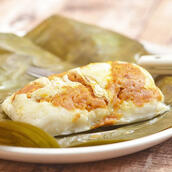
BATANGAS
dishes and delicacies
Learn and have fun as we travel Batangas through culinary adventure and acknowledge their origin while we scroll here with everybody else.
Kapeng Barako
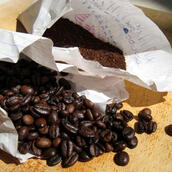
For its preparation, it uses a drip brewing device, a French press, or by simply pouring hot water unto the grounds and filtering it using a piece of cloth. Kapeng Barako is traditionally served black or sweetened with muscovado sugar.
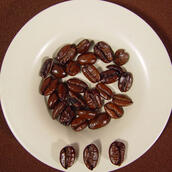
Kapeng Barako was first introduced to the Philippines during 1740s by the Spanish friars in Lipa, Batangas, it was first planted there and it started to spread to the other areas of the province until Batangas became known for it.
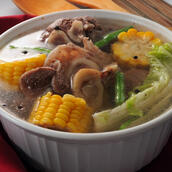
Bulalo
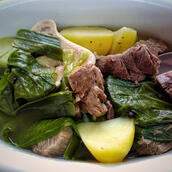
For its preparation, simmer beef in water until slightly tender. Skim off fat as needed. Add onion, garlic, peppercorn and bay leaf. Simmer until beef is very tender. Add corn and simmer for 10 minutes. Add potato, cabbage and spring onion. Transfer into a serving bowl, top with toasted garlic and serve.
Bulalo seems very familiar when it comes to taste and its way of cooking. The most distinct ingredient would be beef shanks simmered for several hours in a flavorful stock seasoned with black pepper, garlic, onions, and salt. The dish typically comes with pechay, potatoes, and corn. Tastes good when paired with fish sauce!
Batangas Lomi
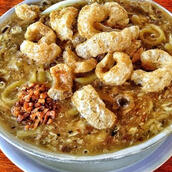
For its preparation and recipe, click here.
While the toppings may differ from place to place, some common ingredients you may find are crunchy pork rinds, slices of boiled eggs, sausages, and/or spring onions.
Batangas Lomi is known as having an unusually thick soup with a more viscous consistency compared to others. The thick egg noodles also complements and adds to the texture of the soup well.
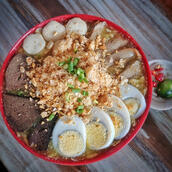
Gotong Batangas
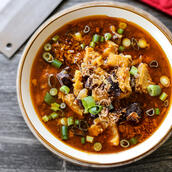
For its preparation and recipe, click here.
It’s typically paired or seasoned with a soy dipping sauce topped with slices of fresh onions, chili, and calamansi.
Others' Goto is kind of similar to Arroz Caldo,
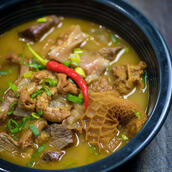
Gotong Batangas is different. The steaming hot broth of Goto that originated from Lipa City is greasy and full of flavor. It is perfect for cold weather or for any type of occasion, the rich broth is accompanied with tender slices of beef tripe and innards.
Taghilaw
For its preparation and recipe, click here.
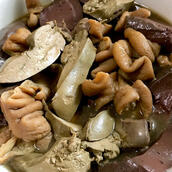
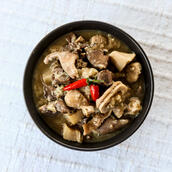
It is similar to bopis, since Taghilaw consists mainly of beef or pork innards – particularly the lungs and heart. And is also sauteed in a spicy mix of tomatoes, chilies, and onions.
If you love innards or offal then Taghilaw si for you. This dish is very tasty, meaty, and sour, preferrably with rice or just on its own as a pulutan. It is kind of unique so it won't easily fit in with one's tastebuds but it is surprisingly delicious, the vinegar just cuts all of that gaminess and heavy oily feel.
Tamales ng Ibaan
For its preparation and recipe, click here.
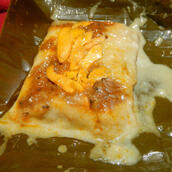
It is similar to the popular Filipino rice cake suman, Tamales contains sticky rice wrapped in banana leaves. It’s distinctively filled with shredded chicken, peanuts, eggs, and annatto to give it its characteristically rich red color.
Ibaan, Batangas may not be the one who holds a lot of tourist spots when you go to Batangas but you'll surely won'y like to miss out on their Tamales. As I have tried this one, it is really addicting and the texture is nice. Just like siopao on the inside but it is wrapped with sticky rice on the ouside.